On Demand vs. Routed Auto Parts Delivery: Which Model Fits Your Operation
Published on
Updated on
On demand and scheduled route delivery serve different needs in auto parts logistics. This guide breaks down when to use each model and how most distributors use both.
On Demand vs. Routed Delivery: What Is the Difference?
On demand delivery is requested for a specific order rather than waiting for the next planned route. Assignment and arrival times depend on available capacity, pickup readiness, distance, and the agreed service. Routed delivery follows a planned sequence of stops and delivery windows. A request for urgent service is not the same as confirmation that a driver has accepted it.
When Should You Use On Demand Delivery?
On demand is the right model when:
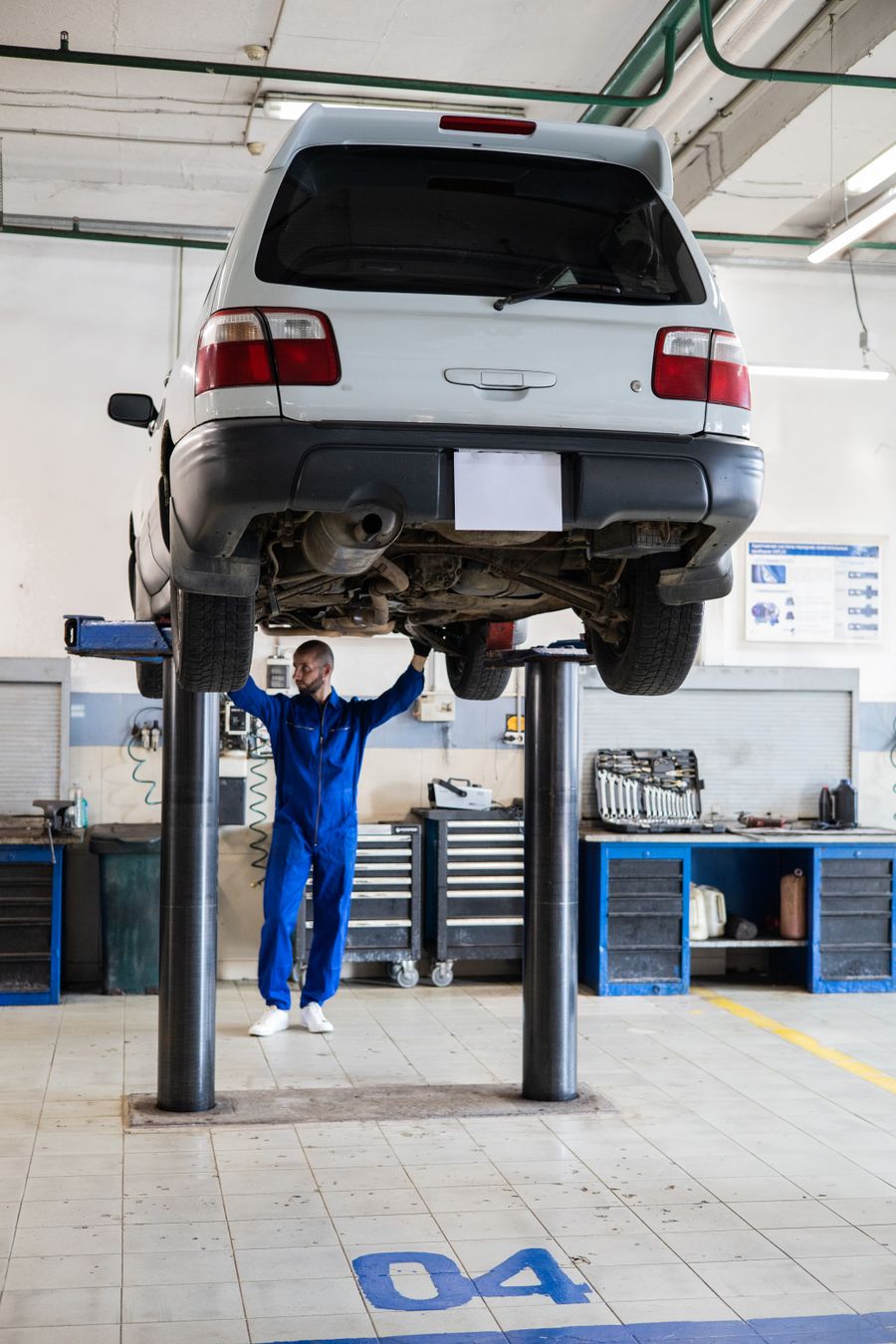
- A vehicle is already on a lift and cannot leave until a specific part arrives
- An order came in after the morning route already departed
- A shop needs a single urgent part that cannot wait four hours for the next scheduled run
- A VIP customer or commercial fleet vehicle requires priority turnaround
When requesting AP Couriers on demand service, provide pickup readiness, the destination, part dimensions, and the latest useful arrival time. Confirm acceptance, the quoted charge, any minimums, and the expected window before making a repair completion promise.
When Should You Use Scheduled Routes?
Scheduled routes are the right model when:
- You have consistent daily order volume to a defined list of shops
- Your shops can plan their work around predictable delivery windows
- Delivery cost per unit matters more than individual order speed
- You need core exchanges and returns handled on the same trip as outbound deliveries
Review scheduled route service against stop density, order volume, receiving hours, and return requirements. Ask which staffing arrangements and backup coverage apply to the proposed route rather than assuming every route has an exclusive driver.
Which Distributors Use Both Models?
A hybrid model can put predictable orders on scheduled routes while reserving on demand capacity for urgent exceptions. After hours coverage must be confirmed separately. Using one provider can simplify coordination, but reporting access, escalation contacts, and service commitments still need to be agreed in writing.
A Delivery Model Scorecard for 2026
Compare total cost per completed order, the share of stops inside the agreed window, urgent request acceptance, and rerun frequency. Include failed pickups, waiting time, returns, fuel surcharges, and cancellation terms. Pilot the same customer group under comparable volume before deciding whether a hybrid model is better for your business.
How Do You Choose the Right Starting Point?
The right model depends on your order volume, customer mix, and geographic distribution. Talk to our team and we will analyze your current delivery pattern and recommend a structure, whether that is a pure on demand operation, a dedicated route build, or a hybrid of both.
Ready to Optimize?
See How AP Couriers Can Help
Schedule a discovery call and we will design a delivery solution built around your operation.
Schedule a Discovery Call